In April I spent 2 weeks visiting family in Cuba. There are many parts of Cuban culture that feel like home, thanks to my upbringing, but some of what I saw and experienced in Cuba is unique to that island.
I recently thought about the basureros or trash piles I saw while I was there. Here is a photo of a dog chowing at one late at night:
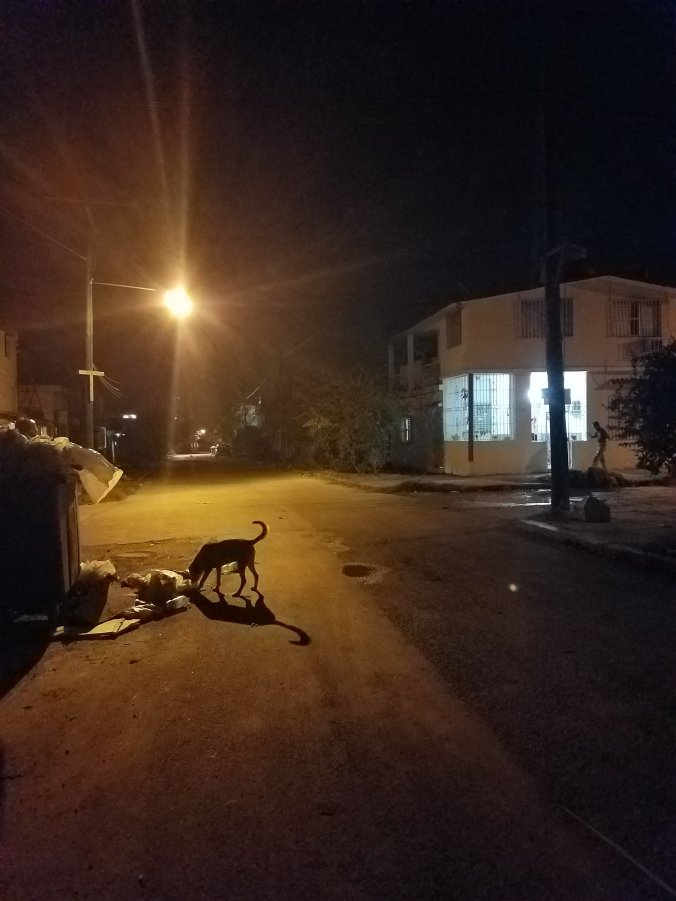
That basurero is relatively small. Trash and littering doesn’t have the same treatment, socially, in Cuba as it does here in the states. The best useful translation of basurero I can offer is: place where people in a given barrio dump trash. I saw a dumptruck once in the two weeks I was living in the barrio called Playa.
In another barrio in Marianao, something different has happened. A group of local artists, musicians and random members of the community banded together to clean out a defunct water tank turned basurero which had grown past the old tank and spilled into the streets, taking over a large portion of a block in the neighborhood. The artists took back the community’s space by cleaning it out and turning it into a grassroots art and culture space.
Now they sell local art and work with local tourism groups to bring tourists in from Havana. They play live music, offer local cuisine, and share the history of the space with visitors. It wasn’t until after I had left Cuba and looked through some photos that I noticed that the Snoopy mural was an original Schulz piece, just hanging out in a barrio in Cuba. I love this as an example of art crossing borders, bringing people together, connecting cultures, and leaving a visual trace of the people involved in the evolution of a space over time.
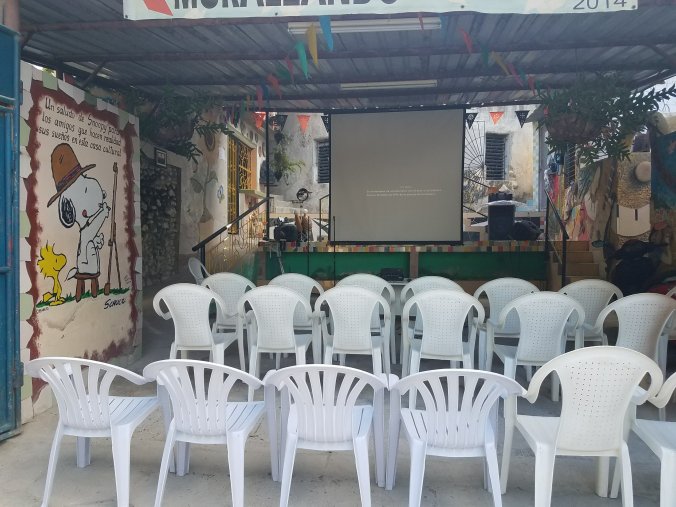
(Above: “Greetings from Snoopy to my friends who have made their dreams a reality in this house of culture.”)
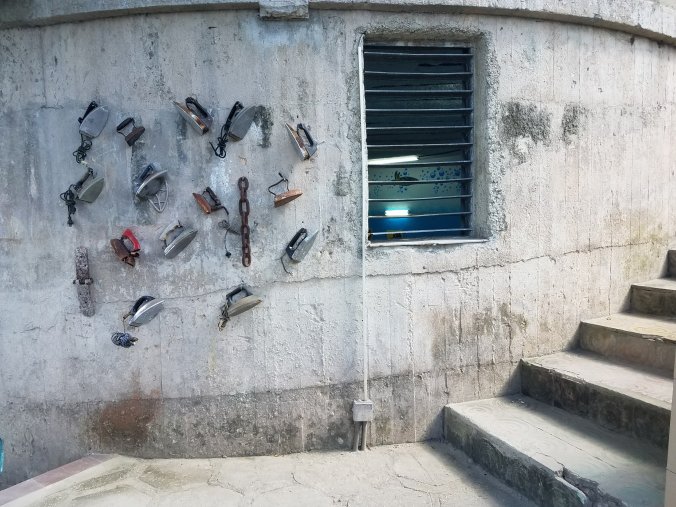
(Above: A collection of irons from the tank cleanout, turned into art.)
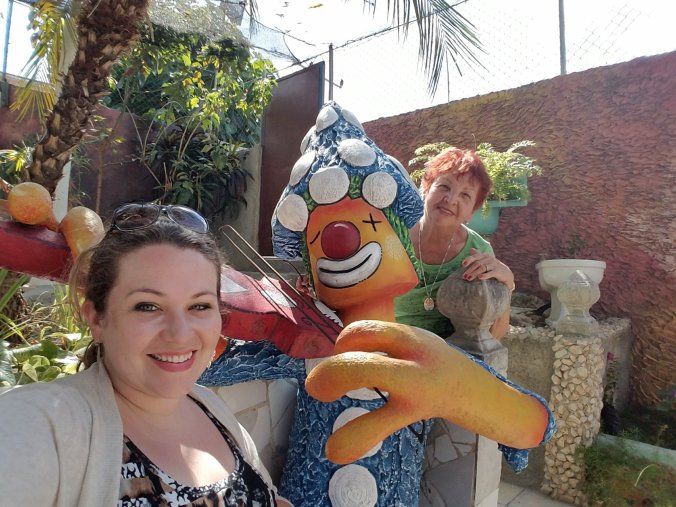

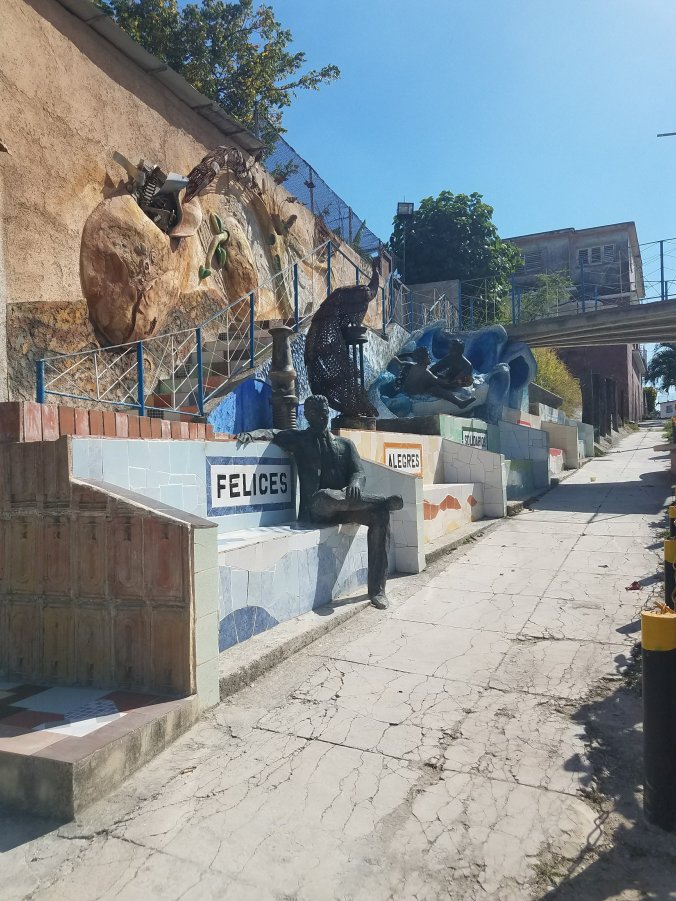
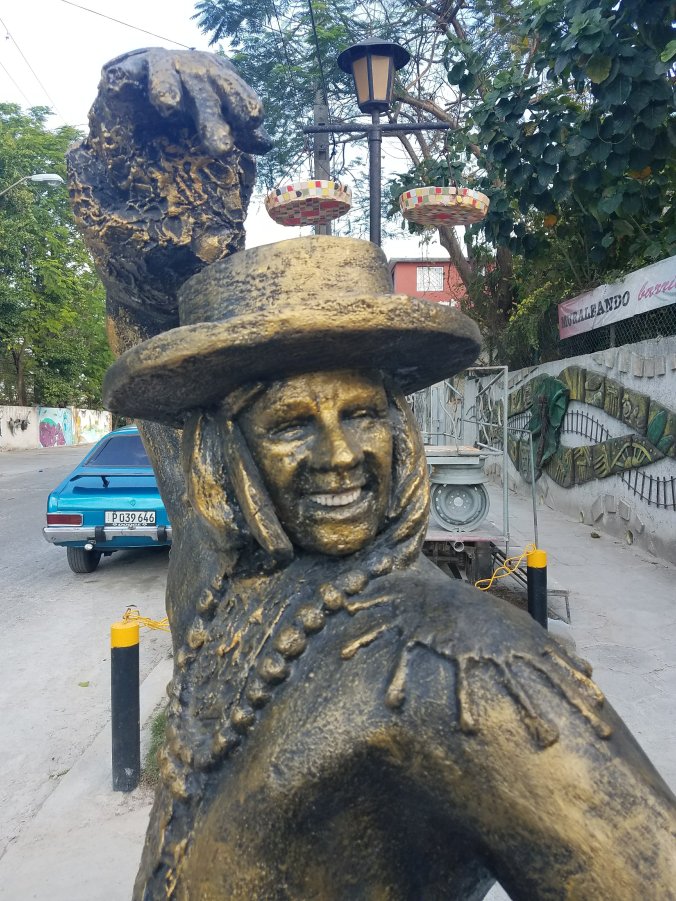
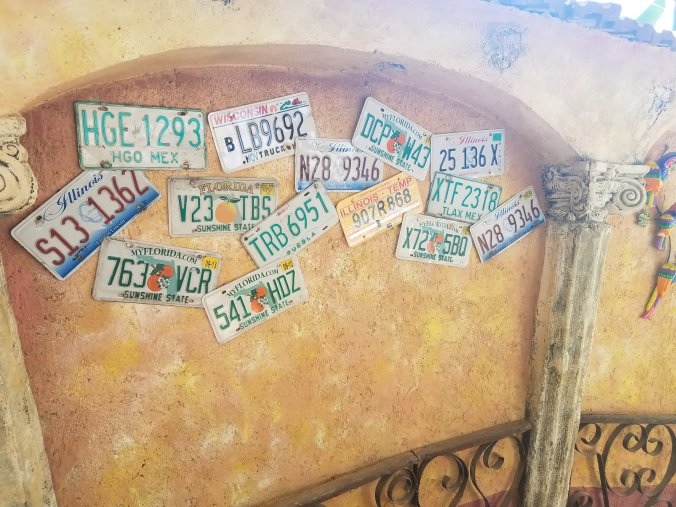

(Photos above: Art inthe courtyard pf El Tanque, and art installations on the street in the immediate vicinity of El Tanque)
 The Porch